Sculpting Sound with T-RackS
How Cloverdale used IK studio plug-ins to mix and master Channel 303
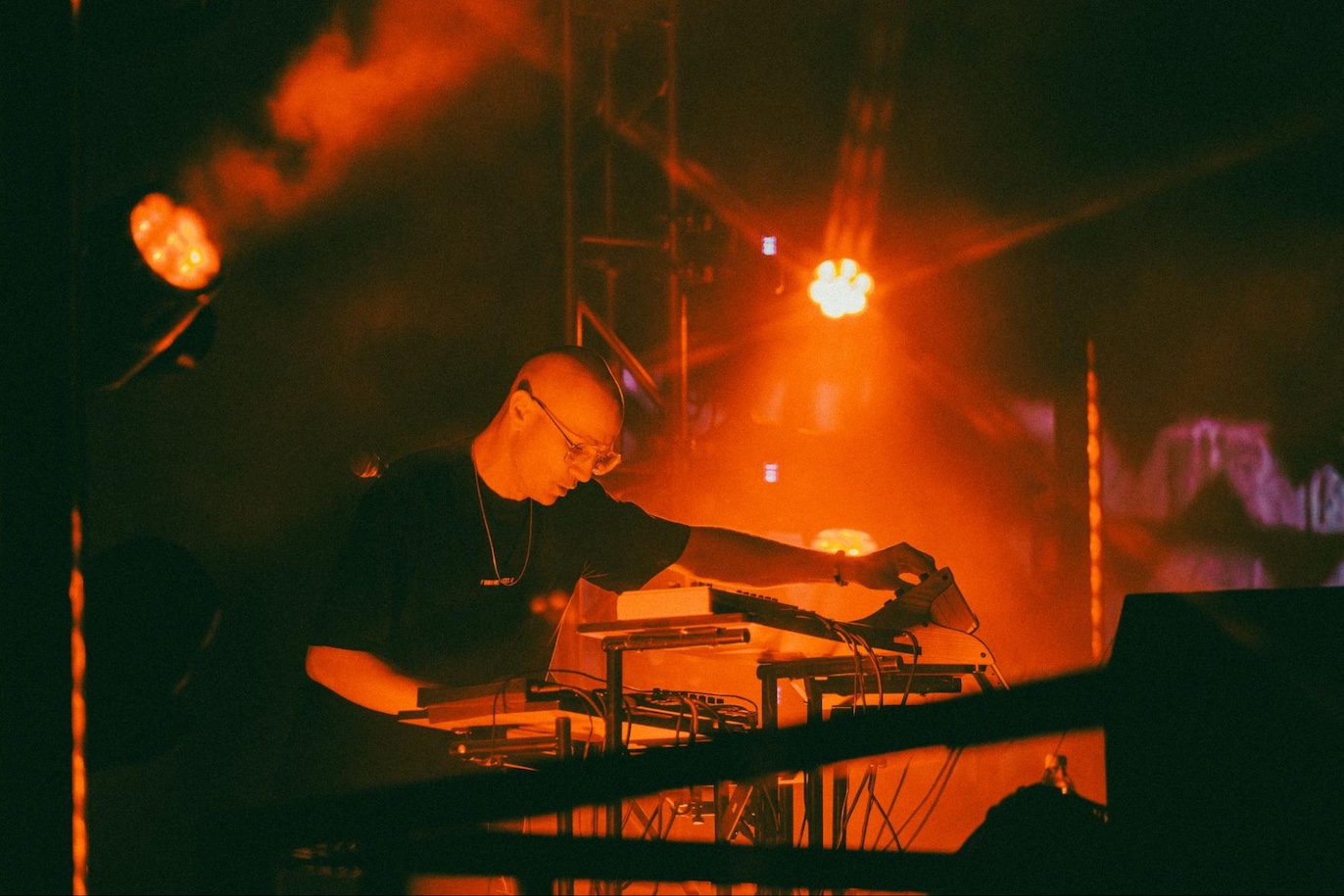
Cloverdale's Channel 303 project has been built as a fully DIY, hardware-driven concept album and live experience.
With analog synths, drum machines, and reactive visuals at the core, it explores techno, breaks, drum & bass, and house under one banner. Each track is designed to hit hard while still feeling unified inside the larger story.
T-RackS has been a key part of shaping that identity. From clippers and limiters on raw hardware signals to saturation and bus processing for tone, Cloverdale relies on its modules to keep the project balanced and full of character. Tools like Classic Clipper, Quad Saturator, and Bass ONE play a central role in refining recordings while preserving the punch of the original machines.
We spoke with Cloverdale about how T-RackS fits into Channel 303, from sculpting the first single 100k Watts to mastering the album inside a single project.
What You'll Learn
- Role of T-RackS in hardware workflows
- Balancing synths and drums on 100k Watts
- Keeping the album cohesive across genres
- Creative versus finishing tool
- Mastering to keep the vision intact
- Why T-RackS matters for hardware producers
Now let's dig into the details. Cloverdale walks us through how T-RackS shaped Channel 303, from clipping raw hardware signals to keeping the whole project glued together.
Channel 303 leans heavily on hardware — what role does T-RackS play in tying all those elements together?
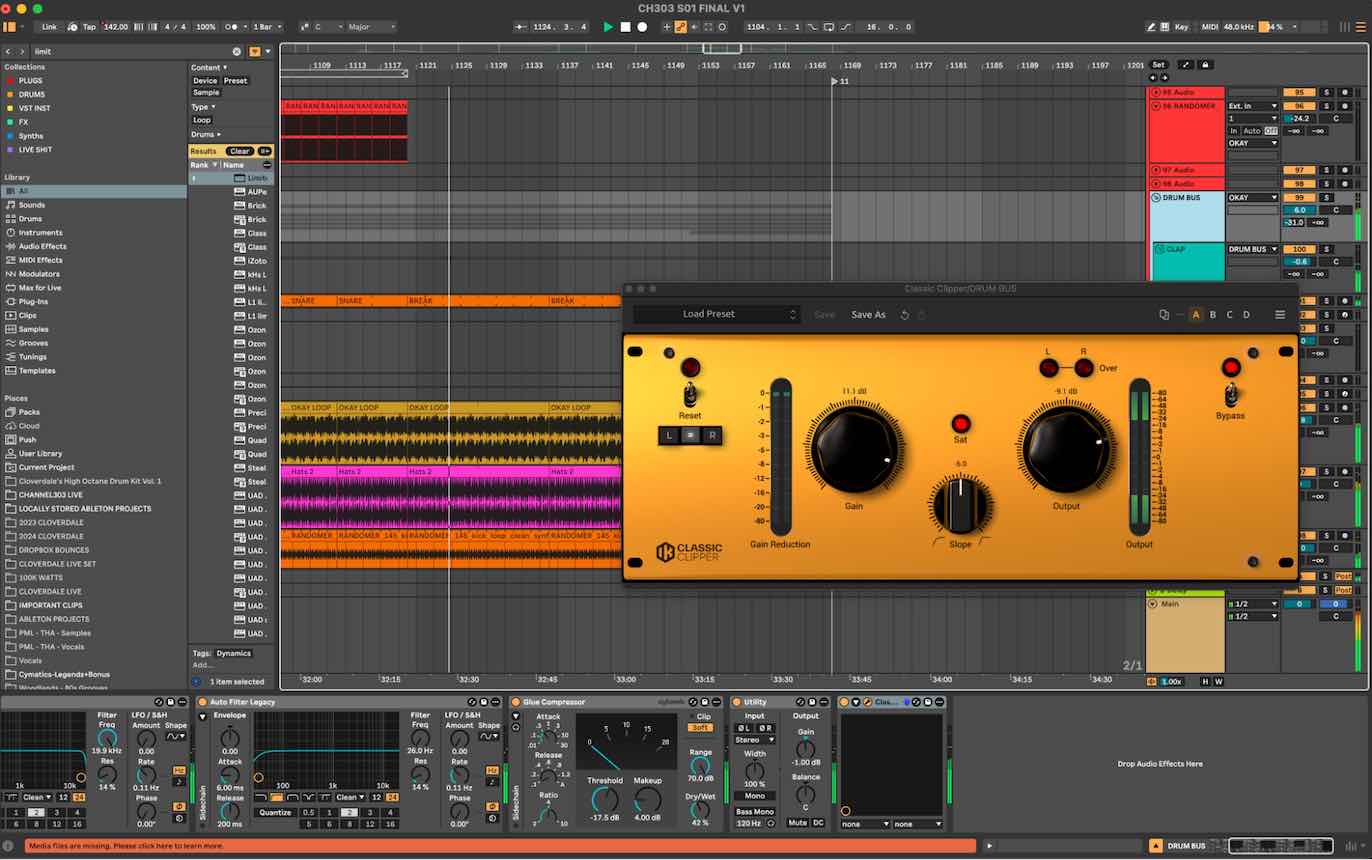
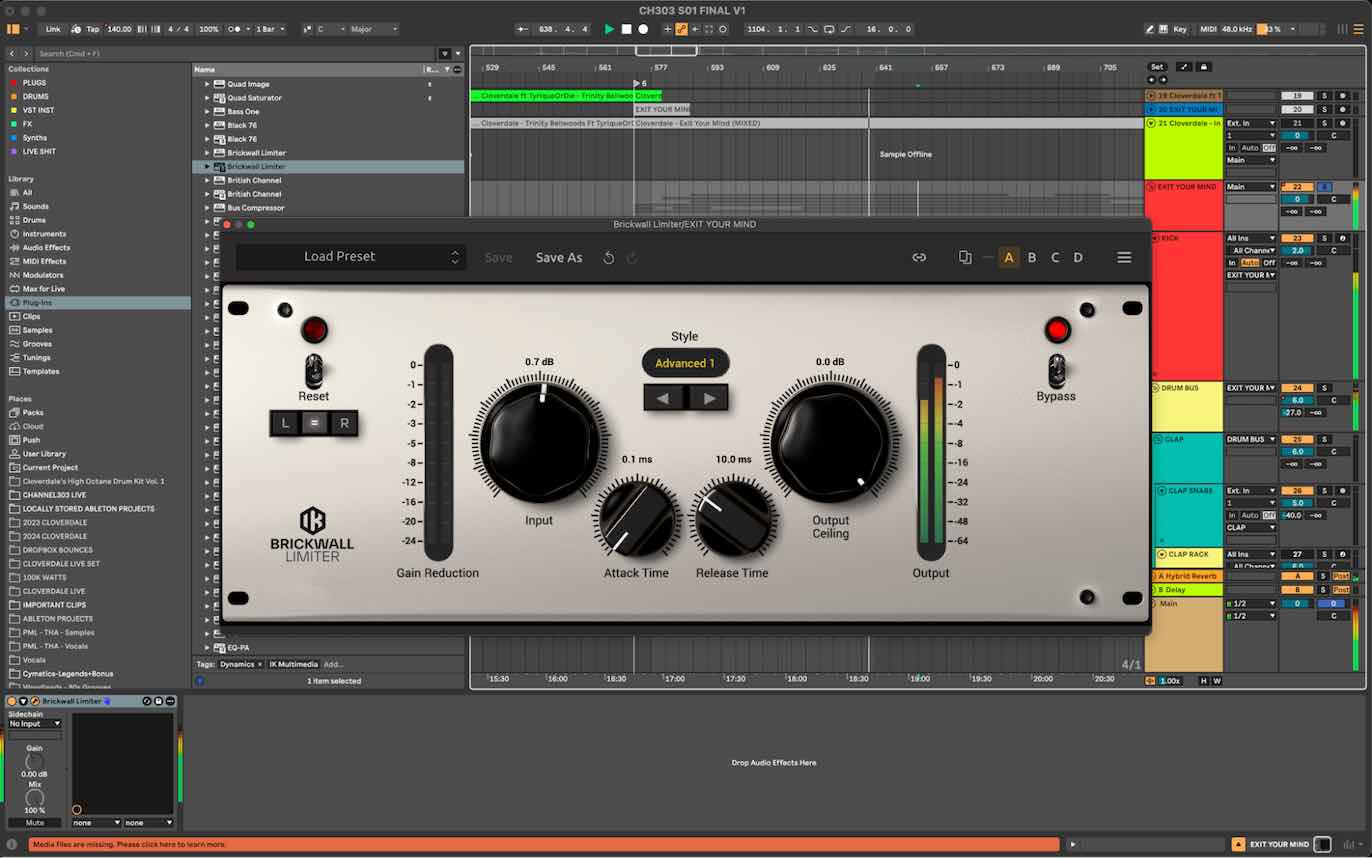
One thing about hardware is that it can sometimes come in at different levels. One of the first things I'll do is load up a clipper and a limiter on any hardware channels.
I love the sound T-Racks Classic Clipper gives with the analog gear, especially on my model: cycles. It's crucial for clipping any transients that might be poking out, allowing me to drive the channel further before it starts hitting the limiter on my master.
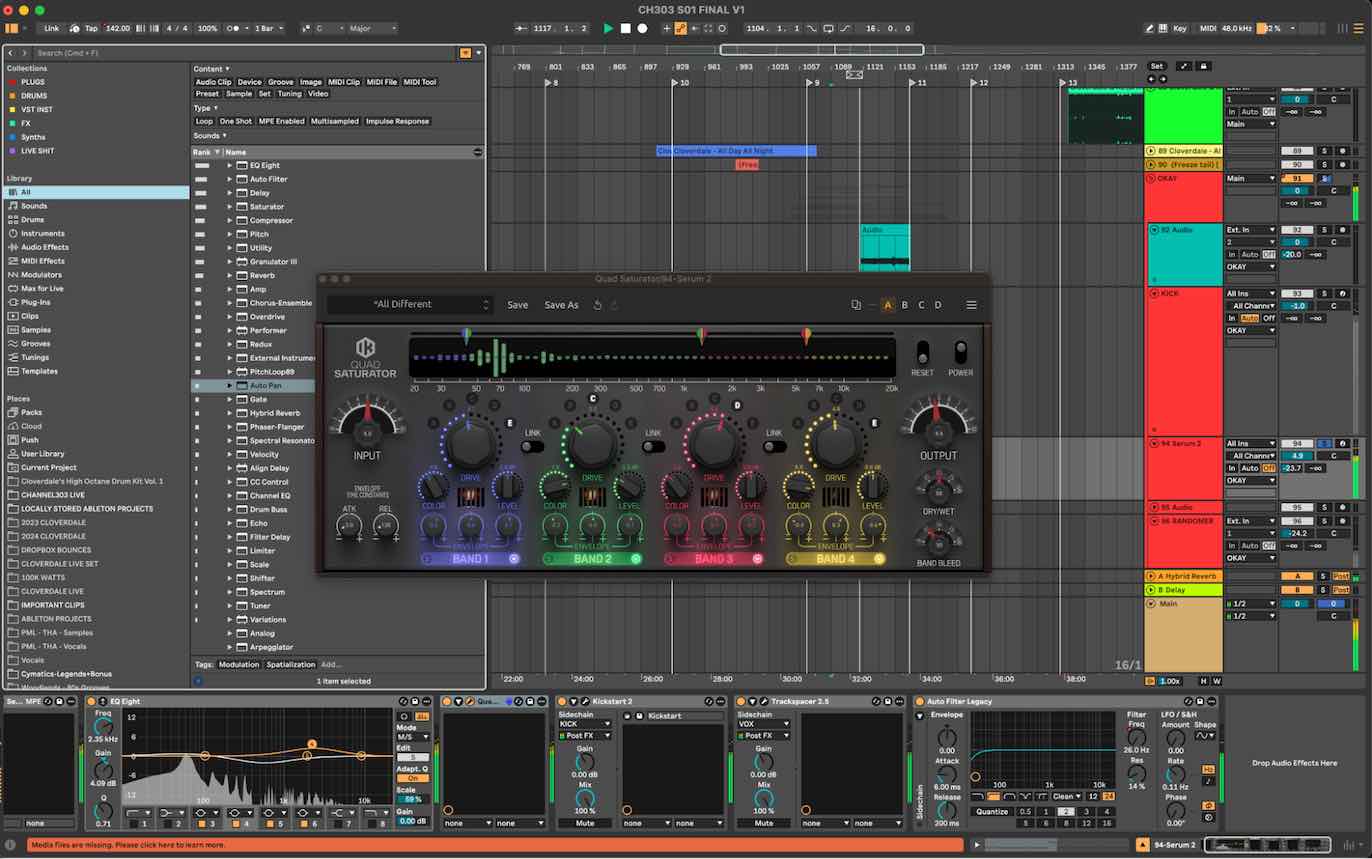
Then, on the colouring side of things, I love the versatility and character the 'Quad Saturator' is capable of. Something that I found myself using to sculpt both sounds and buses.
This can give a similar sonic character amongst the various smashings of digital and analog signals.
At the end of the day, T-RackS has so many modules that are purpose-built to deliver distinct, unique colouring, which, when applied to a bus or group of sounds, do an excellent job of tying sounds together and stamping them with a cohesive sonic imprint.
With a track like 100k Watts, how did T-RackS help balance raw synths and drum machines into something festival-ready?
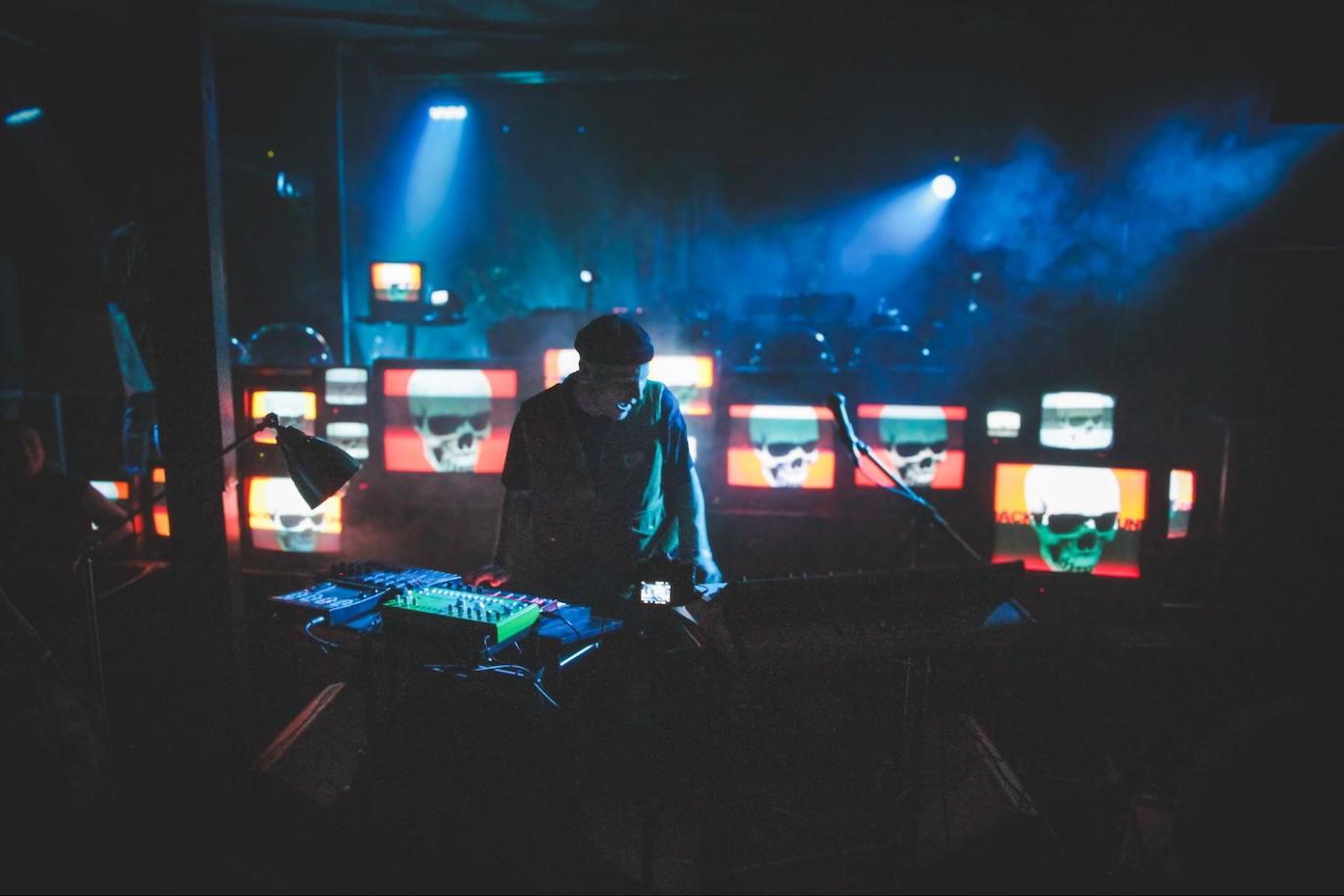
100k Watts is rather simple at its core with drums, a main bassline, some stabs and a vocal, but as the first track on the record, I needed it hit with a punch. I leaned on T-RackS to glue it all together.
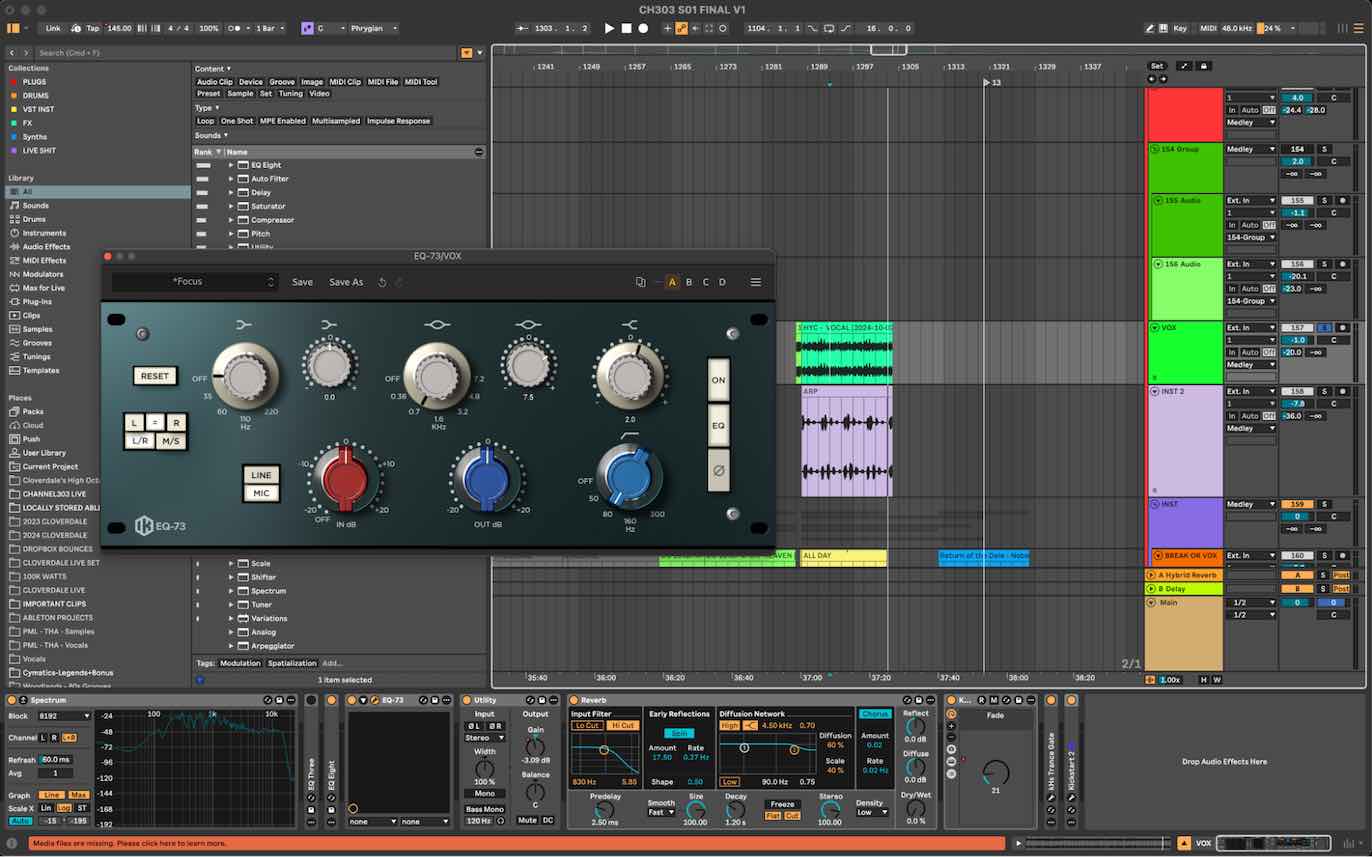
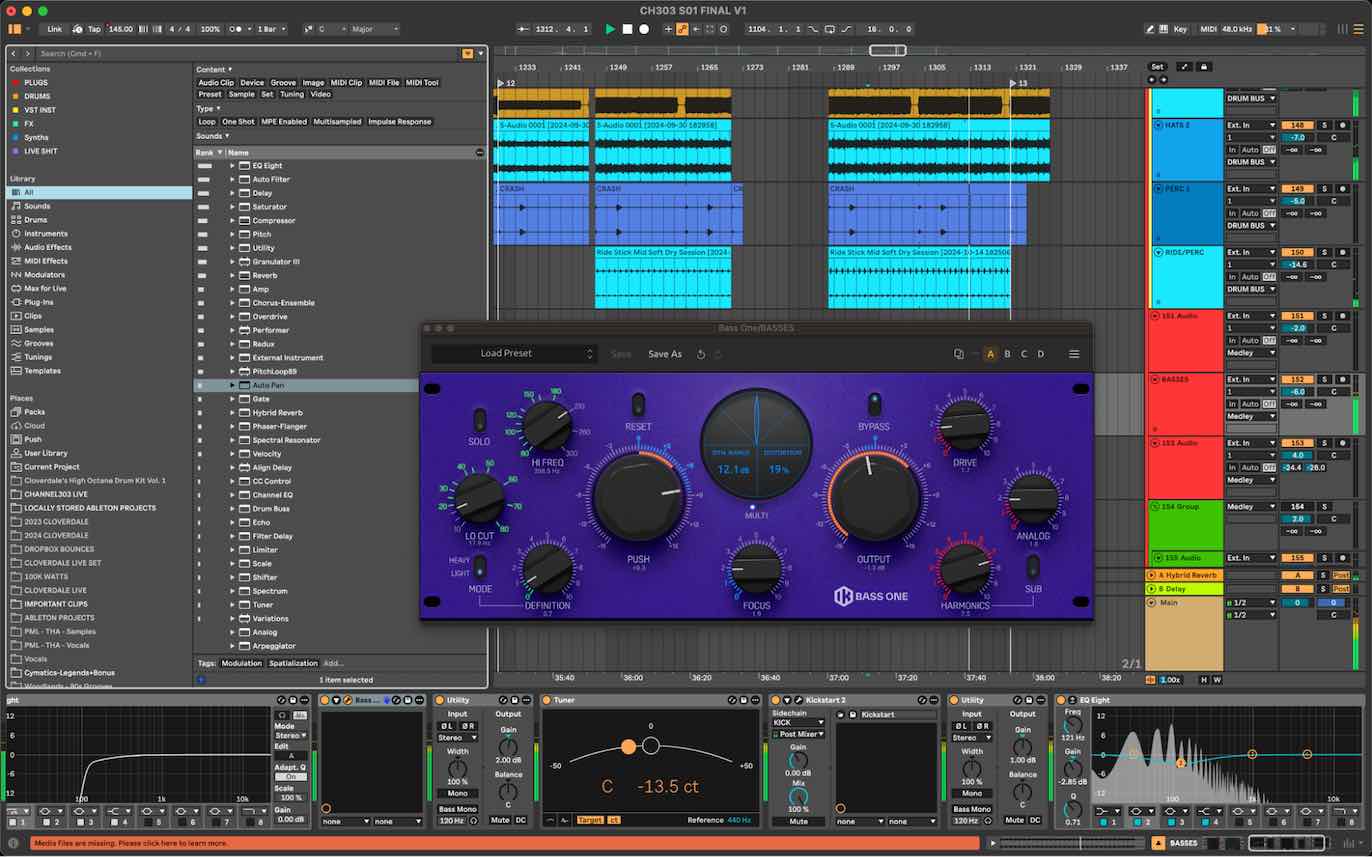
The Pultec-style EQs are perfect for shaping the highs without getting harsh, and the multiband stuff like the Quad Comp and Saturator have helped me carve the low-end punch while still letting the mids breathe. The biggest tool I used on this one was Bass ONE - a godsend for house and techno producers trying to dial in the perfect kick/bass relationship.
It gave me that balance where the kick still feels huge on a festival system, but the top end doesn't rip your head off.
Given the project spans techno to drum & bass, how critical was T-RackS to keeping the album cohesive?
I actually mixed the whole album inside one giant project file, which really helped me keep perspective across all the tracks. T-RackS was key in that stage — for shaping the mix so each tune felt like it belonged together.
Using the same clippers, EQs, and saturation tools across every channel kept a consistent tone, while still letting me push the extremes of different genres. It meant I could jump between a techno cut and a DnB track without the overall vibe feeling disjointed.
Do you see T-RackS as part of the creative process, or more as the finishing layer that completes it?
Maybe it is because I'm a self-taught student of the internet, but my approach to music production often blurs those lines between creative elements and final touches.
Though the approach and techniques can be entirely different, while writing, I often try to make each element as polished, mixed, and final as possible before moving on to the next. I won't move on in the writing process until everything on the page sounds amazing. As I add new elements, I'll often need to go back and adjust others; however, I don't move on until everything is just right - and if I can't get a certain element to sit perfectly where I want it, I'll often scrap it for something that I can.
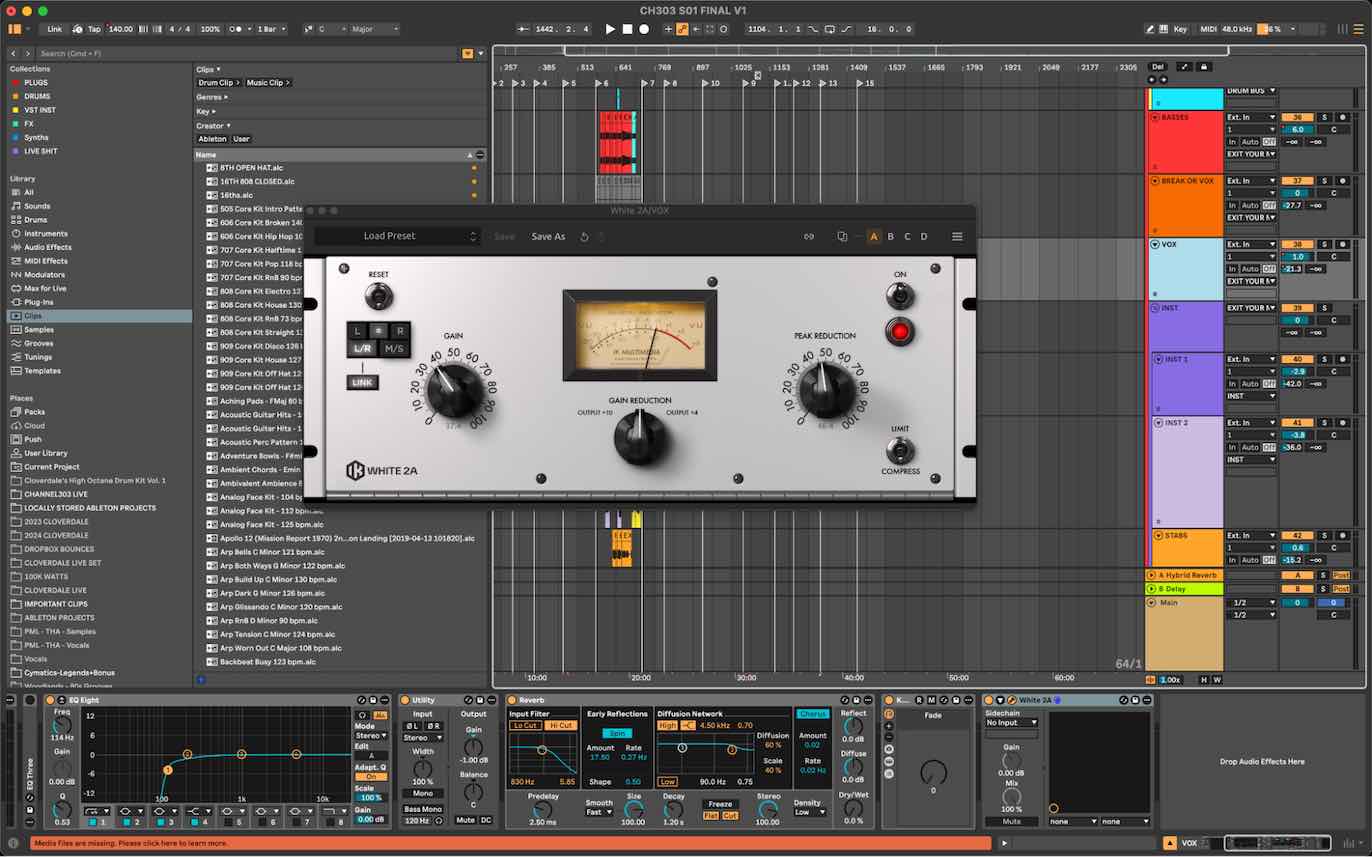
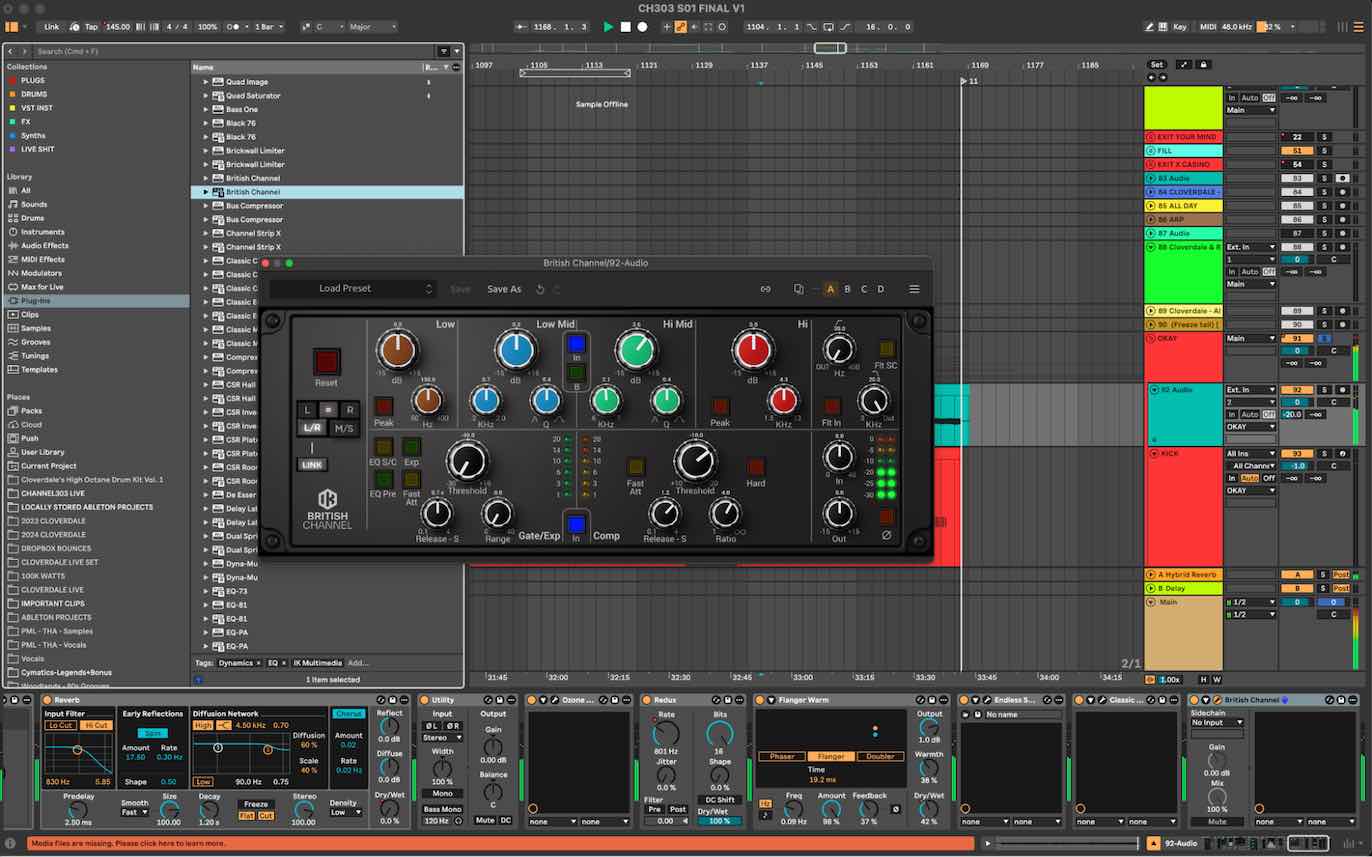
T-RackS is the ultimate bundle I reach for when I know something is close but maybe feels a little digital/lifeless. Their emulations of the LA2A, Neve, and Pultec all deliver fresh, warm character, and their multiband 'Quad Saturator' provides extra colour and crunch.
How does mastering your own material help keep the energy of Channel 303 true to your vision?
Like my production process, my mastering process happens right from the start.
By doing it myself with a combination of T-RackS tools, I was able to retain the raw, hardware-driven punch I built the tracks around. I often push things louder and dirtier than a traditional mastering engineer might, but that's the point — Channel 303 is supposed to sound big, saturated, and full of life. By tackling the mastering myself, I can decide exactly how much chaos or polish makes it to the final cut.
If another producer asked why T-RackS matters in a hardware-heavy workflow, how would you sum it up in one line?
If you're going to go through the process of using analog hardware, you're going to want to process it with analog-sounding tools - T-RackS is my go-to for analog-sounding EQs, clippers, compressors, mastering tools, and more that I can rely on to always feel full of life rather than overly digital.
T-RackS 6 MAX features 62 plug-ins, including the Classic Clipper, and builds on its legendary sound quality, speed, and ease of use to offer everything musicians, producers, and engineers need to craft the perfect track. Learn more about T-RackS 6.

T-RackS 6 MAX